
Army, industry vehicle teams embrace off-the-shelf solutions, but not always
"We don't use a tank for everything, and we shouldn't use a COTS [commercial off-the-shelf] product for everything," said Anduril's Chris Orlowski.
"We don't use a tank for everything, and we shouldn't use a COTS [commercial off-the-shelf] product for everything," said Anduril's Chris Orlowski.
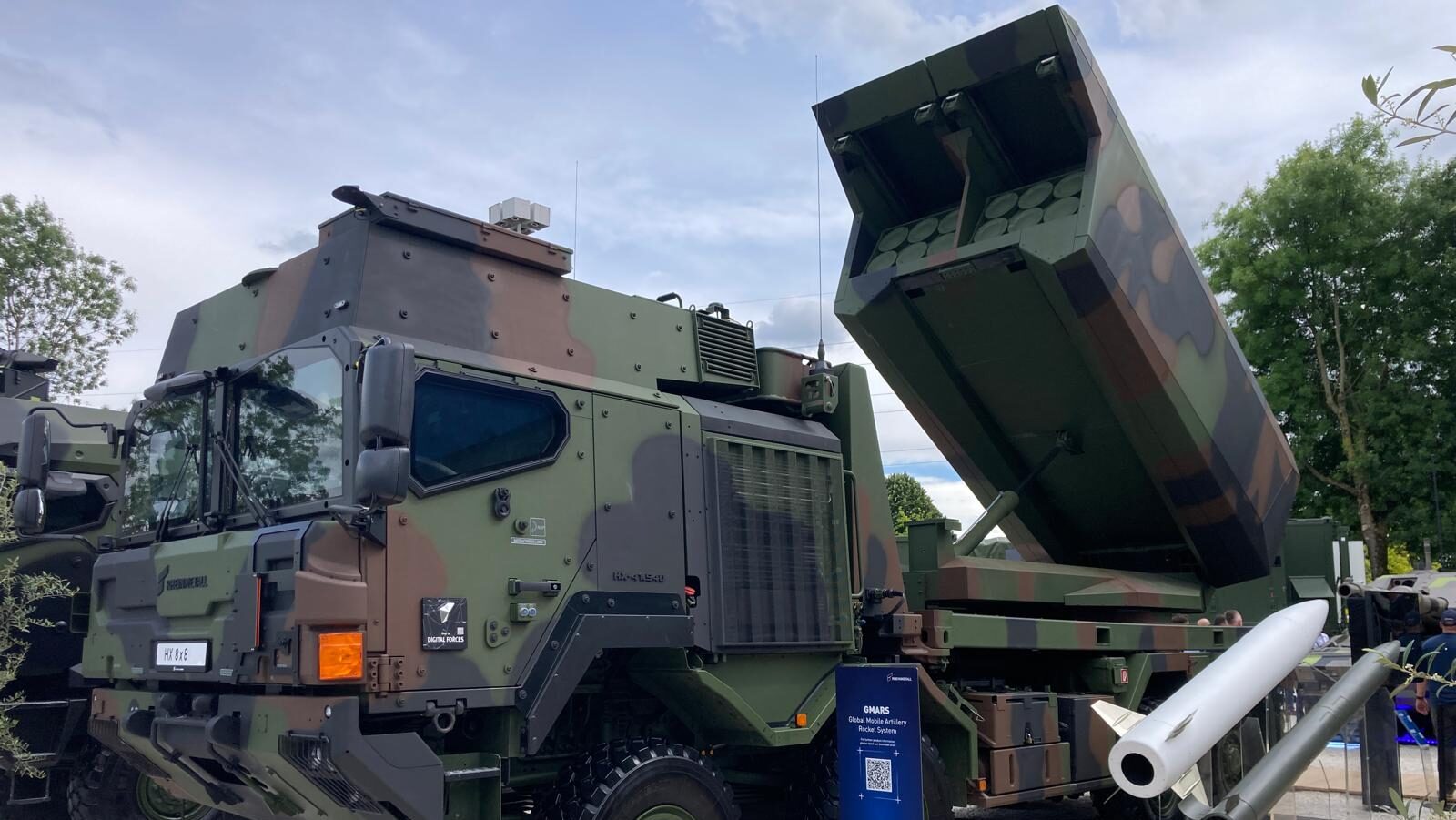
The German-based company has sought to carve out a share of the US market, in part, by competing for the Army's ongoing Bradley replacement program and emerging artillery ones.

Demand signals from leadership are shaping investments in design, engineering and manufacturing.

The semi-autonomous, optionally piloted, high-speed, off-road platform to be a “research platform” for cutting edge tech.
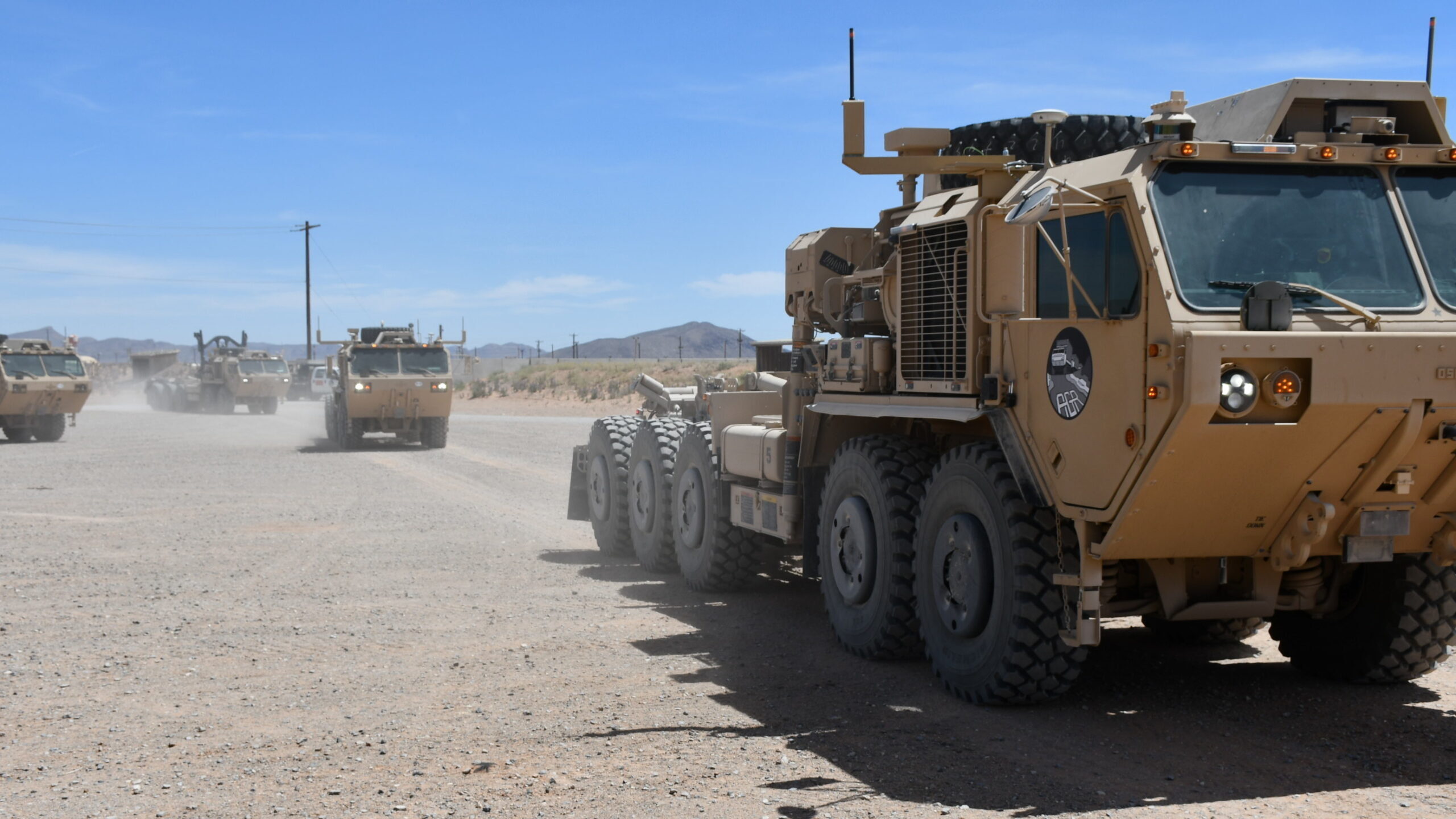
The second increment of the Army's Small Multipurpose Equipment Transport will likely include requirements for a platform that would provide a weapons system, a communications retransmission asset, extra batteries or a launch platform for small drones.
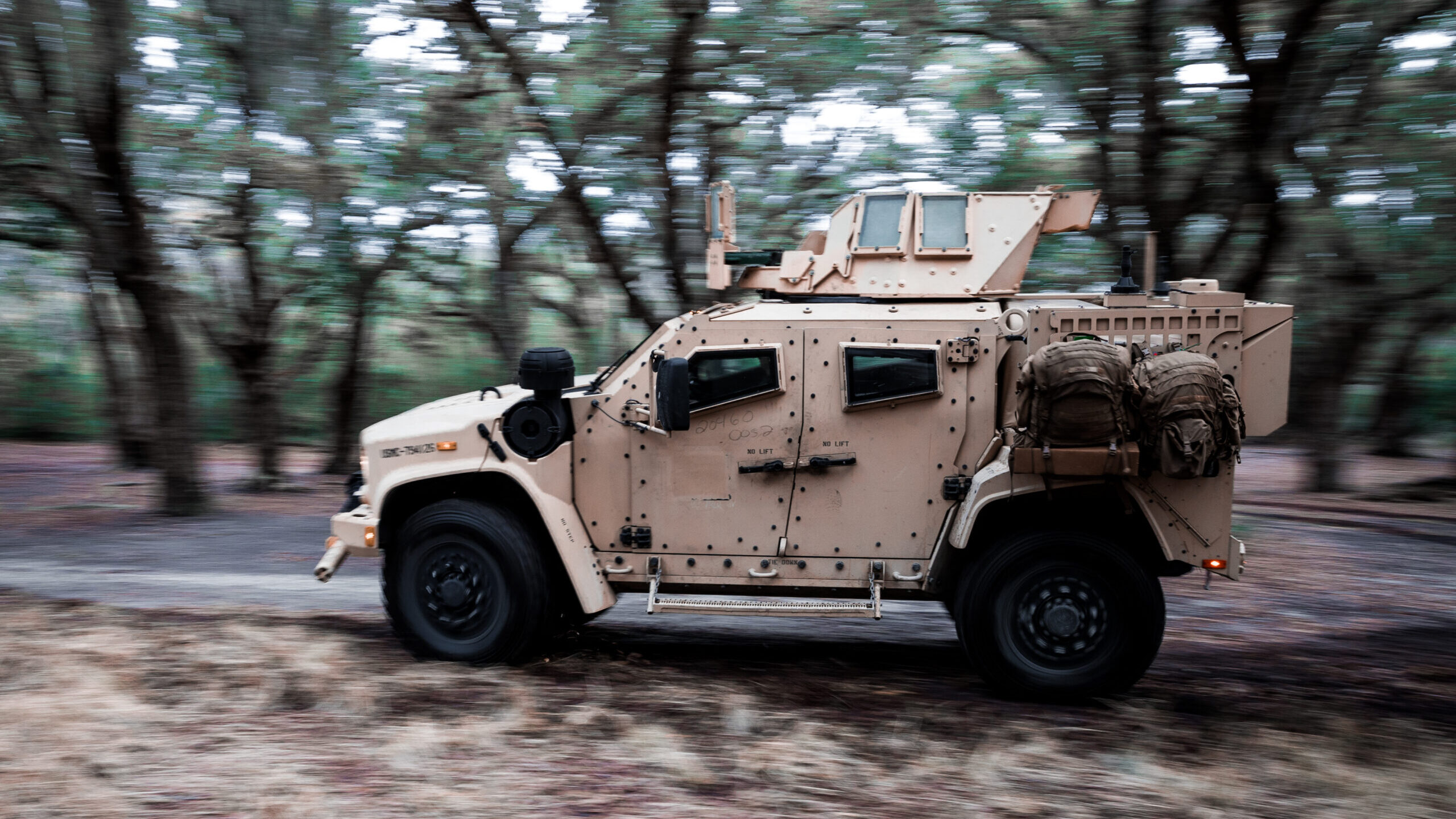
Current maker of the infantry vehicle, Oshkosh Defense, must face competitors to be Army/Marine supplier.
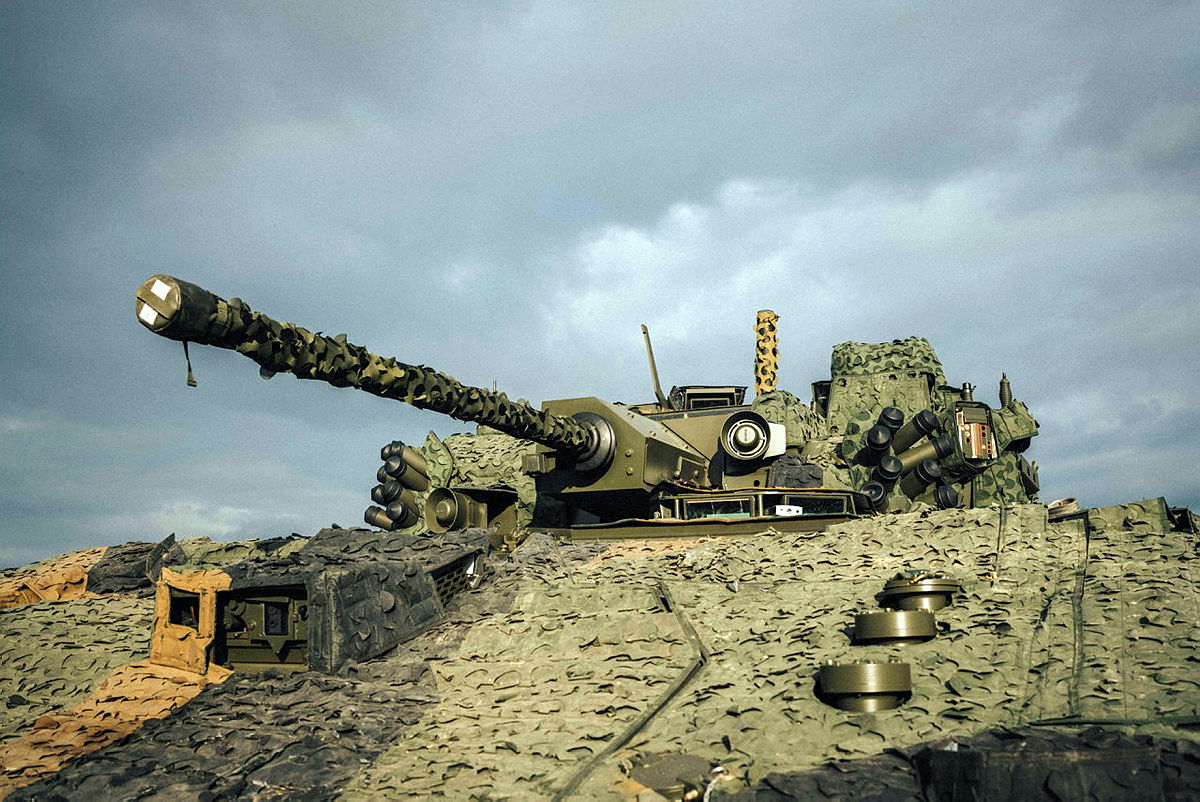
The United Kingdom, France, Germany, Italy and Spain could ultimately involve buying in excess of 3,200 new heavy armored platforms, with a price tag of over $11.5 billion over the next 15 years.

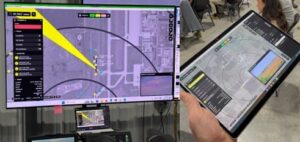
Architecture that linked sensors, C2, RF effects, and lasers into a distributed c-UAS kill chain.
“You know, fundamentally, we paid for a piece of equipment, we expect it to be delivered, and just like any other consumer we have those rights," UK Defense Minister Ben Wallace said. "And if it's not up to scratch, we'll take action.”

The armored ground vehicles of the future will allow soldiers to do things their predecessors only dreamed about.